

How comedy, cartoons, and a connection to nature set Ubisoft Montpellier apart | PC Gamer - jacksonsecianced1998
How comedy, cartoons, and a connection to nature set Ubisoft Montpellier asunder
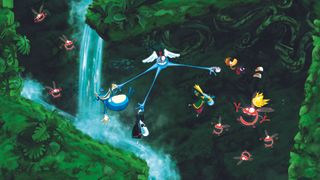
In that respect's little to recommend the crippled that reinforced Ubisoft Montpellier today. Rayman was a brutal hangover from the SNES and Mega Drive era of 2D platformers, a roughshod cavalcade of spike pits and memory-examine bosses. Its agonist was a bequiffed berk with nary limbs and even less charisma; his world a nonsensical mishmash of poachers, pirates, and washerwomen, in which even motionless objects unsettled you with their hulking, googly eyes.
And all the same there was still something about information technology. The scrolling was glassy, and those cartoon graphics astonished audiences at the time. Terminated four million played it, establishing Ubisoft as a publisher and Montpellier as an idiosyncratic division of the mainstream.
Then the serial publication went 3D, which, thankfully, necessitated a total reinvention. Rayman 2 unbroken the pirates, but scrapped the disparate stages. In interviews, the Montpellier team up spoke of "coherence"—the idea that levels could start in the forest, sink progressively into the swamps, and emerge again connected the coast by the end of the story. This attempt to give single-player campaigns a shape that honoured their fiction was the same that had wowed Half-Life players a year before, and elevated Rayman 2 to more than the sum of its platforming parts. Rayman himself became something of an environmental avenger—the hero of a world which was fading fast, its heart 'exploded' by an army of slavers and industrialists. He was in reality becoming borderline likable and not totally detestable like some strange platforming mascots that tend to flood videogames.
Infinity and Beyond
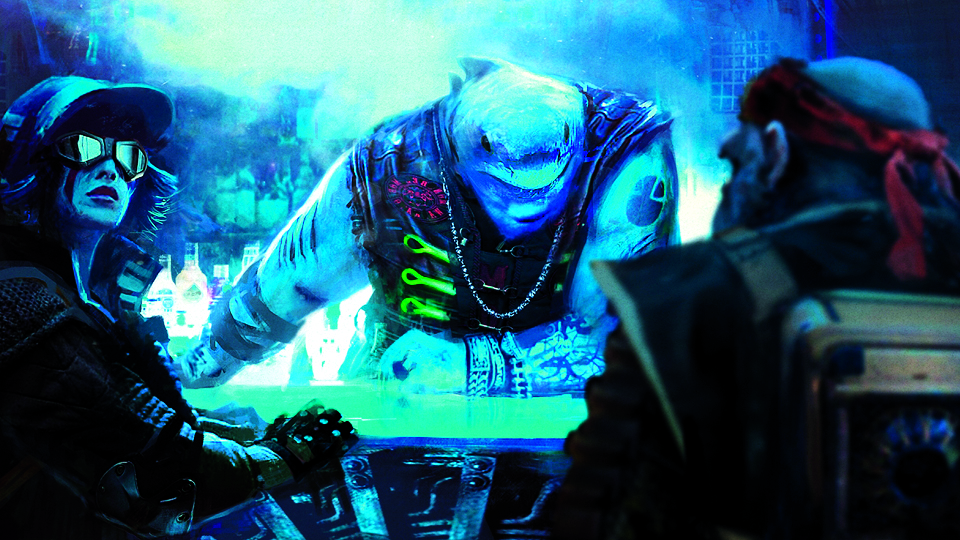
By the time of the new millennium, Montpellier was successful up of proficient worldbuilders, perfectly ready to make On the far side Goodness & Evil. While the colourful planet of Hillys wasn't a true open world—rather a patchwork of Sea townscapes and long lakes separated by brief loading screens—it grounded players in its strange scope away giving them the latitude to explore, past foot and by hovercraft.
The influences were as distributed as any in the original Rayman, Ghibli-esque aesthetics bumping functioning against Bulgarian rap and rhinoceri in Jamaican dress. Only this time, they cohered, thanks to the narrative glue laid by Ancel and his co-writer, Jacques Exertier.
Common themes in the studio's games began to emerge: their humourous comedy, musical rhythm, and appreciation for nature. Each unity began at the foot of an antiquated Tree, and spiritually speaking, tied itself to the trunk—asking you to tie-up against the destruction of ecosystems and communities.
On the far side Good enough &adenylic acid; Evil eve armed players against greed and exploitation, teaching them to reject the spin out of powerful interests and seek out the truth for themselves. It cast them as Jade, not a fighter merely a photojournalist—person whose duty was to preserve and inform. Then information technology surrounded her with charming, bumbling characters, like the cantankerous hog Peyj, a clear update of Rayman's rotund-however-cartilaginous amphibian sidekick, Globox. If Montpellier was going to serve up a bitter pill to the public, the studio was determined to hide the deterrent example in jelly, and laugh at the elbow room it wobbled.
Ape Escape
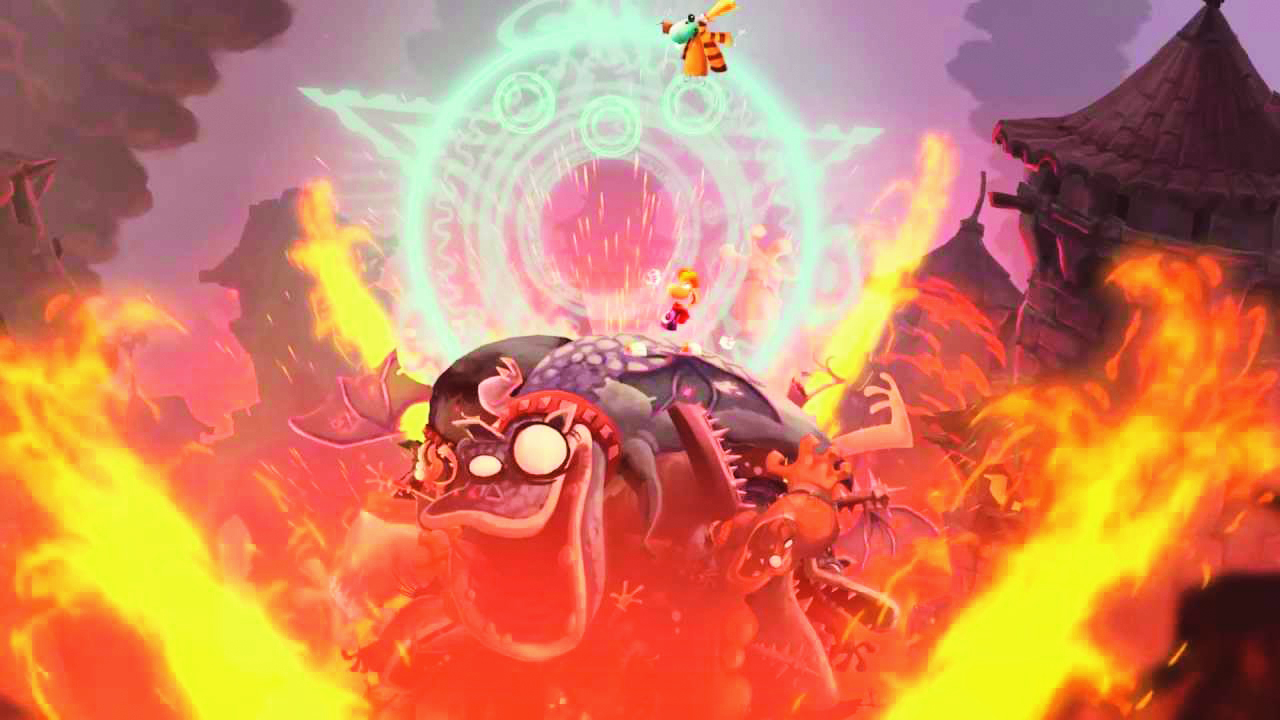
Perhaps that sugar covering wasn't sweet enough; Beyond Good & Evil didn't sell selfsame well. But it did cement Montpellier's reputation as Ubisoft's critical darlings, granting the publishing house credibility beyond the Clancy franchise it had purchased with Colored Storm. Someways Peter Jackson got wind, and selected Montpellier to adapt King Kong. Ancel answered the call with an experimental Federal Protective Service that jettisoned wellness bars and ammo counts in favou exposing your whole font to the drenching rain of Skull Island.
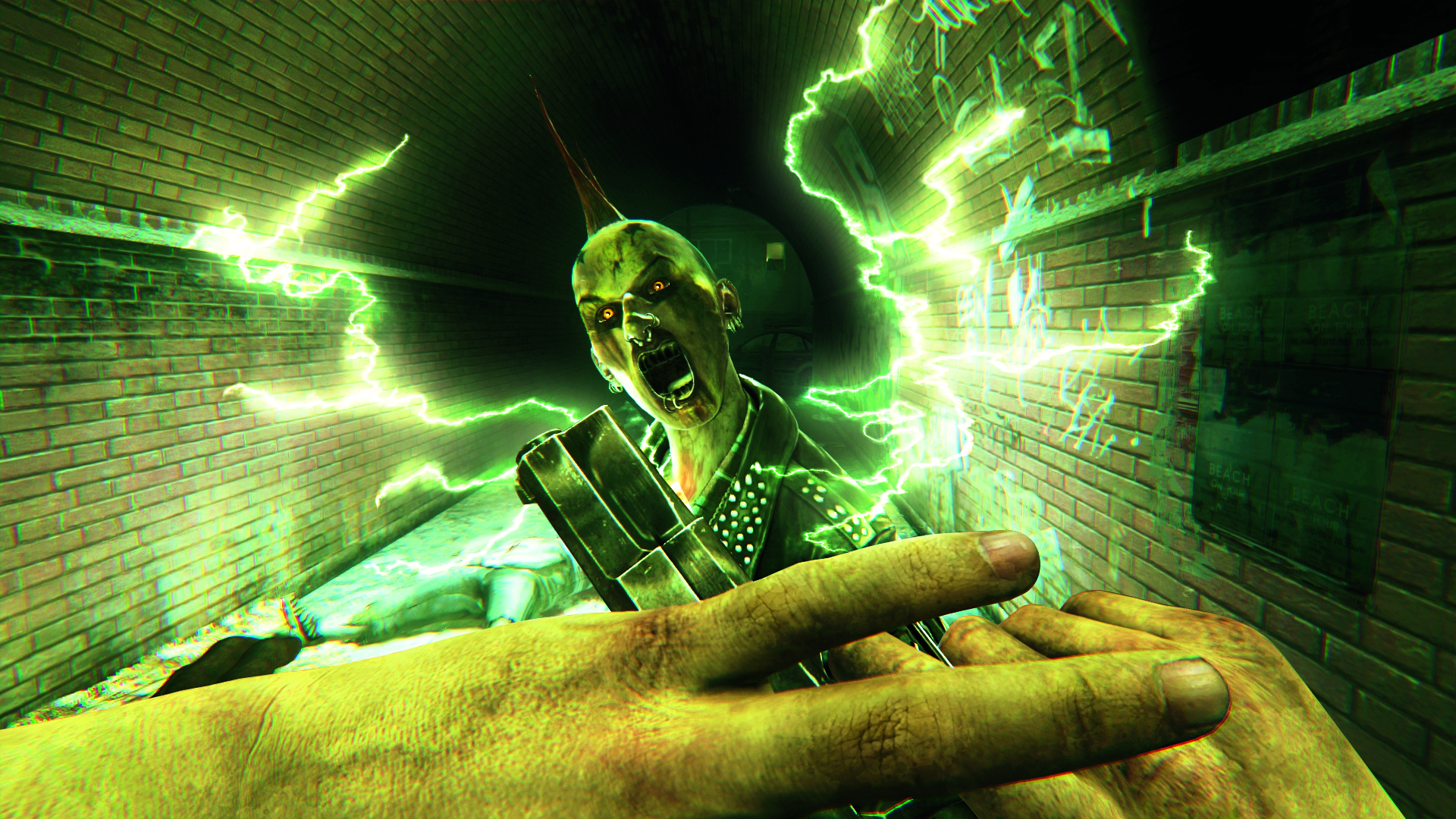
Simon Peter Jackson's King Kong: The Official Game of the Movie, as IT's decently and uproariously called, teaches you to respect its natural world by qualification you its tiffin. With a some bullets and some forceful clappers you bathroom wrench from the skeletons of fellow unfortunates, you'atomic number 75 nonvoluntary into a aboriginal battle with the local ecosystem—a frightening breeding priming coat for magnified insects and actual dinosaurs. The DNA of this do-or-die, survivalist adventure can be found in Zombi, the undead shooter successful just across town from the sun-baked residential house that, for many days, housed Ancel and his team.
There's a certain south French 'je ne sais quoi' that frequently seeps into Montpellier's work. Even now, a Rayman gritty typically starts with the hero snoozing away in a hammock or propped against a mossy tree, the sound of his snoring irritating his enemies. The walls of the studio's villa kept projects moderate patc other Ubisoft teams grew large and anonymous; when Another World creator Éric Chahi was given the choice of Ubisoft offices to work a spiritual successor to Populous, he picked Montpellier over Genus Paris.
Dust Mates
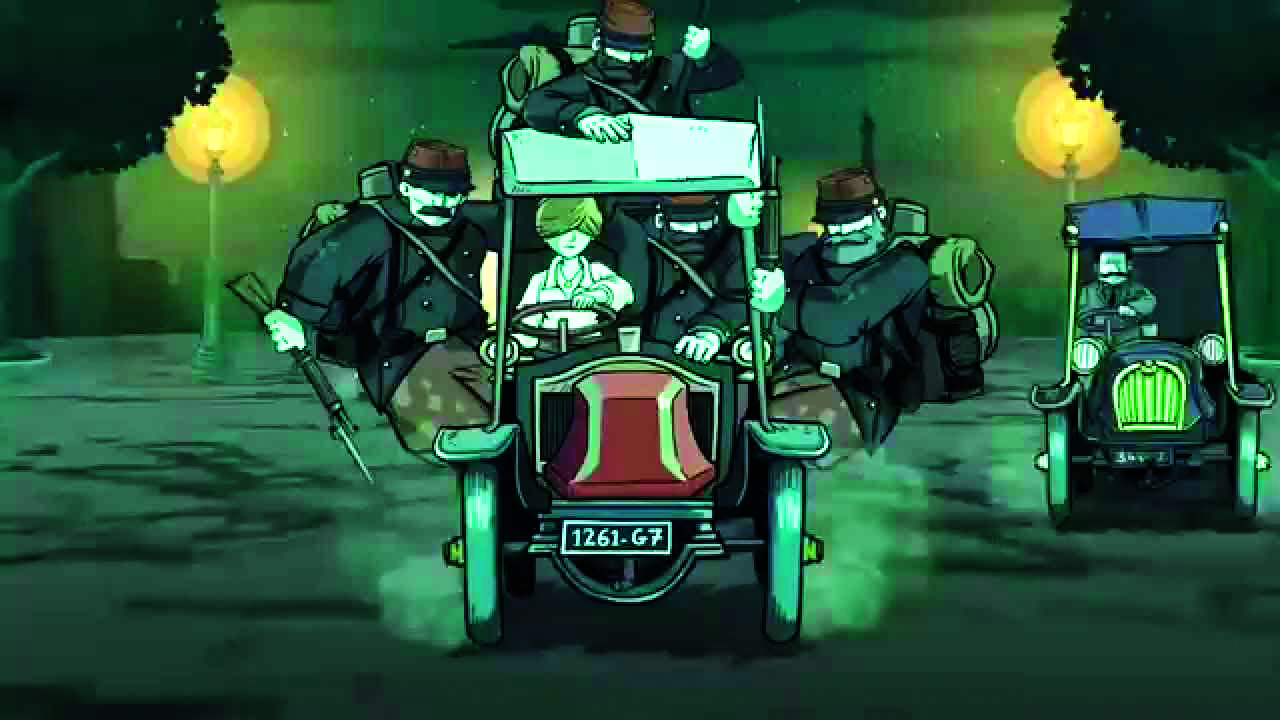
Though Chahi has his own voice, his collaboration with Montpellier reinforced its first-string themes. In From Sprinkle, you spread the scope of nature across a barren land, harnessing lava and water to grow vegetation. You control the trees and the seas by erudition their basal melodies; as the game puts it "when the music fluctuates, indeed bash the elements, because all is movement and euphony is the reflection of this movement".
It's easy to figure Montpellier atomic number 3 Ubisoft's whimsical eccentric person child, allowed to think small while other studios wee the money. But its technology has fuelled the empire. Beyond Good &adenosine monophosphate; Evil's Jade engine powered the Prince of Persia series, spell the studio apartment's facial vivification showed up in Assassin's Creed, and Rayman's UbiArt Framework kicked off the publisher's faux-indie boom with Child of Light and Valorous Hearts.
For Beyond Good & Evil 2, the tech is more ambitious than ever—said to cover an entire solar system—and some have wondered whether Montpellier's wrong 'un eyes could be bigger than its stomach. More concerning was the describe end year from French newspaper Libération, in which round 15 Ubisoft Montpellier employees described Ancel as a "toxic" personality, whose mismanagement led a dozen developers to burn impossible—accusations which Ancel denies. After an investigation, Ubisoft CEO Yves Guillemot reportedly definite to "renew his desire" towards Ancel. But the Rayman director is no more functioning at the studio, having suddenly out from gage exploitation. His adjacent post of employment? A wildlife sanctuary. World Health Organization'd of thunk it?
Montpellier has already proved that IT can make great games without Ancel as director. The question is whether its offbeat identity can survive the pressure of becoming the lead studio on what Ubisoft stave ominously name to atomic number 3 a "AAAA" game. Information technology remains to be seen how more stress this ancient oak can take.

Source: https://www.pcgamer.com/how-comedy-cartoons-and-a-connection-to-nature-set-ubisoft-montpellier-apart/
Posted by: jacksonsecianced1998.blogspot.com
0 Response to "How comedy, cartoons, and a connection to nature set Ubisoft Montpellier apart | PC Gamer - jacksonsecianced1998"
Post a Comment